

TL;DR:
- Meaningful outdoor activities should prioritize safety, proven benefits, eco-consciousness, and age suitability.
- Engaging nature activities include guided walks, hiking, wildlife spotting, eco-friendly crafts, and backyard habitats.
- Spontaneous moments and genuine curiosity are more impactful for children than structured plans or elaborate gear.
Finding outdoor activities that genuinely tick every box is harder than it looks. You want something safe, age-appropriate, and memorable, but you also want it to nurture a real love for the natural world rather than just filling a Saturday afternoon. Add eco-conscious values into the mix and the options can feel overwhelming. The good news is that research consistently points to a handful of activities that deliver on all fronts, strengthening family bonds, supporting children’s health, and building the kind of environmental awareness that lasts a lifetime. This guide walks you through how to choose wisely, what to try, and how to make every outing count.
Table of Contents
- How to choose meaningful family nature activities
- Five engaging family nature activities
- Comparing top family nature activities
- Making it work: tips for safe, happy, and sustainable outings
- Why outdoor family activities still matter and what most guides miss
- Get inspired for your next family adventure
- Frequently asked questions
Key Takeaways
| Point | Details |
|---|---|
| Prioritise eco-values | Nature activities can nurture environmental responsibility and family bonds together. |
| Health and happiness | Hiking and outdoor adventures measurably improve children’s well-being and sleep quality. |
| Start simple, stay safe | Accessible options like garden habitats or guided walks require little preparation but provide big rewards. |
| Preparation is key | Essential gear and Leave No Trace habits ensure outings are safe, fun, and sustainable. |
How to choose meaningful family nature activities
Before sharing a variety of outdoor activity ideas, let’s clarify what makes a family nature outing truly meaningful. Not every trip to the park qualifies. The best outings share a few key qualities, and knowing what to look for saves you time, money, and disappointment.
Outdoor adventures enhance adolescents’ wellbeing, including calmness and a stronger sense of mastery, far more than indoor alternatives. That alone is a compelling reason to prioritise genuine nature time over screen-based activities. But the activity itself still matters.
Here is what to consider when choosing:
- Safety first. Check that trails or green spaces are age-appropriate. Carry a basic first-aid kit, and teach children to keep a respectful distance from wildlife.
- Proven benefits. Prioritise activities with documented health and emotional rewards, such as hiking or wildlife spotting, over generic outdoor play.
- Eco-mindful approach. Opt for reusable gear, activities with a light environmental footprint, and outings that include a stewardship element, like picking up litter or planting seeds.
- Accessibility. You do not need a national park on your doorstep. Local parks, community gardens, and even back gardens offer rich opportunities.
- Age and ability match. A toddler and a ten-year-old have very different stamina and attention spans. Choose activities with enough flexibility to engage everyone.
- Seasonal planning. Nature is interesting in every season. Winter hikes, rainy-day pond dipping, and autumn leaf hunts all have their own magic.
Pro Tip: Before any outing, involve your children in the planning. Let them choose one activity or destination from a shortlist. Children who feel ownership over the plan are far more engaged once you arrive.
Five engaging family nature activities
Now that you know how to evaluate options, here are five outstanding family nature activities with proven impacts.
-
Guided nature walks and Junior Ranger activities. Junior Ranger programmes engage families in learning and stewardship through booklets, guided hikes, and badges. They are designed for ages two and upwards, making them one of the most inclusive options available. Many national parks and nature reserves offer similar schemes for free.
-
Family hiking across all seasons. Hiking frequency predicts higher health-related quality of life in children, including better sleep and improved mood. Winter hikes add an extra layer of excitement. Pack warm layers, waterproofs, and a flask of hot chocolate to make cold-weather outings genuinely enjoyable rather than endured.
-
Wildlife spotting and birdwatching. A pair of binoculars transforms a walk into an adventure. Download a free bird identification app, grab a local species checklist, and let children take the lead in spotting and recording what they find. This works brilliantly for mixed ages because every sighting feels like a shared win.
-
Eco-friendly nature crafts. Collect fallen leaves, interesting stones, and seed pods to create collages and sculptures. Explore eco-friendly art projects that use found and recycled materials, turning creativity into a lesson in resourcefulness. For more inspiration, creative recycling ideas show how everyday materials become art.
-
Back garden wildlife habitats. Plant native wildflowers, set up a bird feeder, and start a small compost bin. Even a modest garden can become a thriving habitat for pollinators and birds, giving children a front-row seat to nature’s rhythms without leaving home.
Did you know? Children who regularly spend time in nature show measurably stronger environmental values as adults. The habits you build now genuinely shape the next generation of environmental stewards.
Pro Tip: For birdwatching, go out in the early morning when birds are most active. Even thirty minutes before breakfast can yield more sightings than a full afternoon visit.
Comparing top family nature activities
After describing each activity, parents often need quick guidance for choosing what fits their family best. The table below gives you a side-by-side view.
| Activity | Age suitability | Ease of setup | Cost | Location needed | Eco impact | Key benefit |
|---|---|---|---|---|---|---|
| Junior Ranger walks | 2 and upwards | Easy | Free to low | National park or reserve | Low footprint | Stewardship and badges |
| Family hiking | 4 and upwards | Moderate | Low | Trail or woodland | Low footprint | Health and sleep quality |
| Wildlife spotting | 5 and upwards | Easy | Low | Any green space | Very low footprint | Observation and focus |
| Nature crafts | 3 and upwards | Easy | Very low | Garden or park | Low (uses found materials) | Creativity and sustainability |
| Back garden habitats | All ages | Moderate | Low to medium | Home garden | High positive impact | Year-round nature connection |
Eco-friendly crafts using recyclables actively teach sustainability in a hands-on way, making them particularly valuable for younger children who learn best through doing. The back garden habitat option stands out for its high positive eco impact, since it actively supports local biodiversity rather than simply minimising harm.
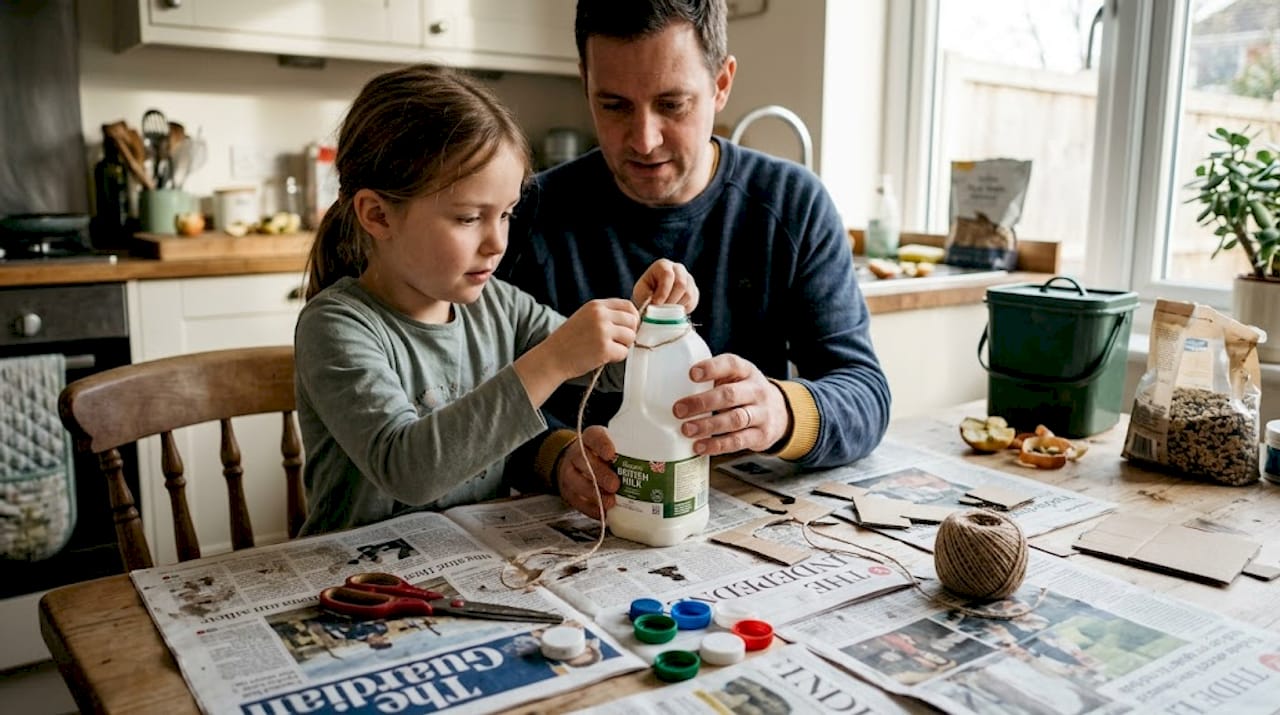
For families with very young children, Junior Ranger walks and nature crafts are the most accessible starting points. Older children and mixed-age groups tend to thrive on hiking and wildlife spotting, where there is enough challenge and discovery to hold everyone’s attention. Explore recycling ideas for families to extend the craft activities at home.
One note worth making: whatever activity you choose, follow Leave No Trace principles. Stick to marked paths, pack out all litter, and observe wildlife from a distance. These habits, modelled consistently by parents, become second nature for children.
Making it work: tips for safe, happy, and sustainable outings
With the merits and options laid out, these preparation tips will help your family get the most from each outing.
A well-packed bag makes the difference between a memorable adventure and a stressful one. Before you leave, run through this checklist:
- Basic first-aid kit (plasters, antiseptic wipes, tweezers for splinters)
- Reusable water bottles for everyone
- Reusable snack containers and cloth napkins
- Insect repellent and sun cream
- Weather-appropriate clothing, including a waterproof layer
- A small bag for collecting litter
Age-appropriate trails and reusable gear are two of the simplest ways to align safety with eco-conscious values. Reusable kit reduces single-use plastic waste on every trip, and choosing trails suited to your youngest child prevents the frustration that derails otherwise great outings.
“The goal is not a perfect outing. The goal is a child who asks to go back.”
For siblings of different ages, assign roles rather than expecting everyone to do the same thing. A younger child can be the “nature collector” (within Leave No Trace rules), while an older sibling handles the bird ID app or maps the route. Shared purpose keeps everyone invested.
Pro Tip: Download a free wildlife or plant identification app such as iNaturalist or Seek before you go. Children love the instant feedback of identifying a species in real time, and it transforms a walk into an interactive game.
At home, extend the eco habits you practise outdoors. Compost food scraps, refill containers rather than buying new ones, and involve children in tending any garden wildlife habitats you create. For more creative ways to bring nature indoors, recycled art for kids offers a brilliant starting point.
Why outdoor family activities still matter and what most guides miss
Now that you’re equipped with ideas and preparation tips, here is a perspective on what actually makes family nature time memorable.
Most activity guides hand you a list and leave it there. What they rarely acknowledge is that the most powerful moments outdoors are the unplanned ones. A child who stops to track a squirrel across a field, or who discovers a spider’s web jewelled with morning dew, is experiencing something no structured activity can manufacture. That spontaneous curiosity is precisely where a lasting connection to nature takes root.
We believe the biggest mistake families make is treating outdoor time as a performance. There is no need to arrive with a perfect plan, premium gear, or a badge to earn. The emotional memory of puddle-jumping in autumn rain or watching a fox at dusk outlasts any organised programme.
Eco-habits work the same way. Children who see their parents genuinely care about reducing waste and protecting habitats absorb those values through observation, not instruction. Action speaks far louder than any conversation about climate change. The families who make the deepest impression on their children are the ones who respond to nature with genuine curiosity and quiet respect, not the ones with the most elaborate itinerary.
Get inspired for your next family adventure
Ready to plan your next outing? At The Zoofamily, we believe every adventure outside is a chance to build something lasting, whether that is a memory, a habit, or a child’s lifelong love of the natural world.
Our blog is packed with seasonal ideas, arts and crafts projects, and practical tips designed specifically for eco-conscious families. From Earth Day celebrations to everyday garden discoveries, there is always something new to try. Discover eco-family tips across our full range of resources, and if you are looking for something special to mark the season, more Earth Day activities will give you plenty of fresh inspiration. We would love to hear about your family’s outdoor wins too.
Frequently asked questions
What’s the best family nature activity for very young children?
Guided walks or Junior Ranger-style scavenger hunts are ideal, as they combine gentle exploration with hands-on learning. Junior Ranger programmes cater for ages two and upwards with tailored booklets and activities.
How do we make hiking enjoyable for kids of different ages?
Choose trails with interactive stops, bring nature ID apps, and let children take turns as trail leader to keep everyone involved. Active engagement on hikes measurably supports children’s wellbeing and enjoyment.
Which eco-friendly gear is essential for family outings?
Reusable water bottles, cloth napkins, and refillable containers are the simplest swaps to start with. Reusable gear supports stewardship and significantly reduces single-use plastic waste on every trip.
How can we support pollinators at home?
Planting native wildflowers and avoiding pesticides creates a welcoming habitat for bees and butterflies. Native plants support pollinators and give children an ongoing, living nature lesson right outside the back door.